
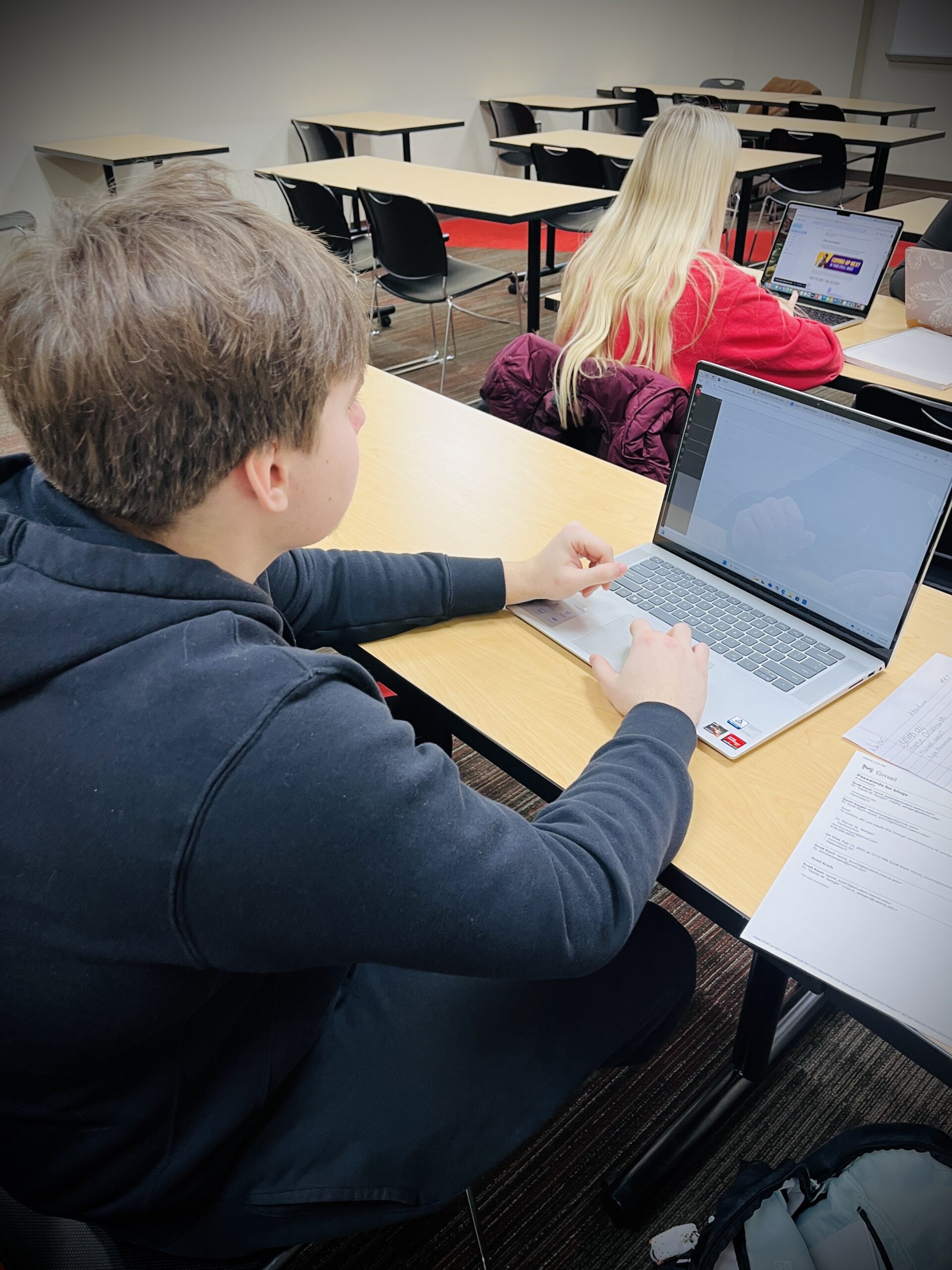
As a marketing student, I know that strong communication skills are essential—especially in sales. But if I’m being honest, I’ve never been the type to enjoy speaking in front of people or being put on the spot. The idea of pitching a product or handling objections in a role-playing exercise used to make me anxious.
At first, I dreaded these practice sessions. I worried about saying the wrong thing, freezing up, or just feeling awkward. But as I pushed through the discomfort, I started to see the value in these exercises. Role-playing wasn’t just about learning sales techniques—it was about building confidence, improving my ability to think on my feet, and preparing for real-world situations.
1. Builds Confidence in Real Sales Situations
Sales can be intimidating, especially for beginners. Role-playing allows us to step into different scenarios, test our pitch, and practice overcoming objections in a low-stakes environment. By the time we step into an actual sales call or meeting, we’ve already worked through our nerves and refined our approach.
2. Enhances Communication Skills
In sales, how you say something matters just as much as what you say. Role-playing helps us refine our tone, pacing, and body language. We learn to listen actively, respond thoughtfully, and build rapport—all essential skills for closing deals and creating meaningful customer relationships.
3. Teaches Adaptability
No two sales conversations are the same. Role-playing exposes us to different customer personalities and objections, helping us think on our feet. Whether it’s a hesitant buyer or a tough negotiator, practicing these situations prepares us for anything.
4. Encourages Constructive Feedback
One of the best parts of role-playing is getting feedback from peers and instructors. Honest critiques help us pinpoint weaknesses and refine our approach. It’s better to make mistakes in a practice session than in front of a real client.
5. Bridges the Gap Between Theory and Practice
Marketing classes teach us the psychology of consumer behavior and the principles of persuasion, but role-playing brings these theories to life. We get to apply what we’ve learned in real conversations, making the knowledge stick.

As someone studying marketing, I see role-playing as a crucial stepping stone toward becoming a successful salesperson. It builds confidence, sharpens communication skills, and prepares us for the unpredictability of real-world sales. If you’re a marketing student or aspiring sales professional, embrace the awkwardness and dive into role-playing—you’ll be grateful for the experience when you’re confidently closing deals in the future.